Case studies Case study ESGreen Education
Education as the foundation of the first Sicredi Dexis materiality matrix
How an ESG training program helped Sicredi Dexis build its own materiality matrix
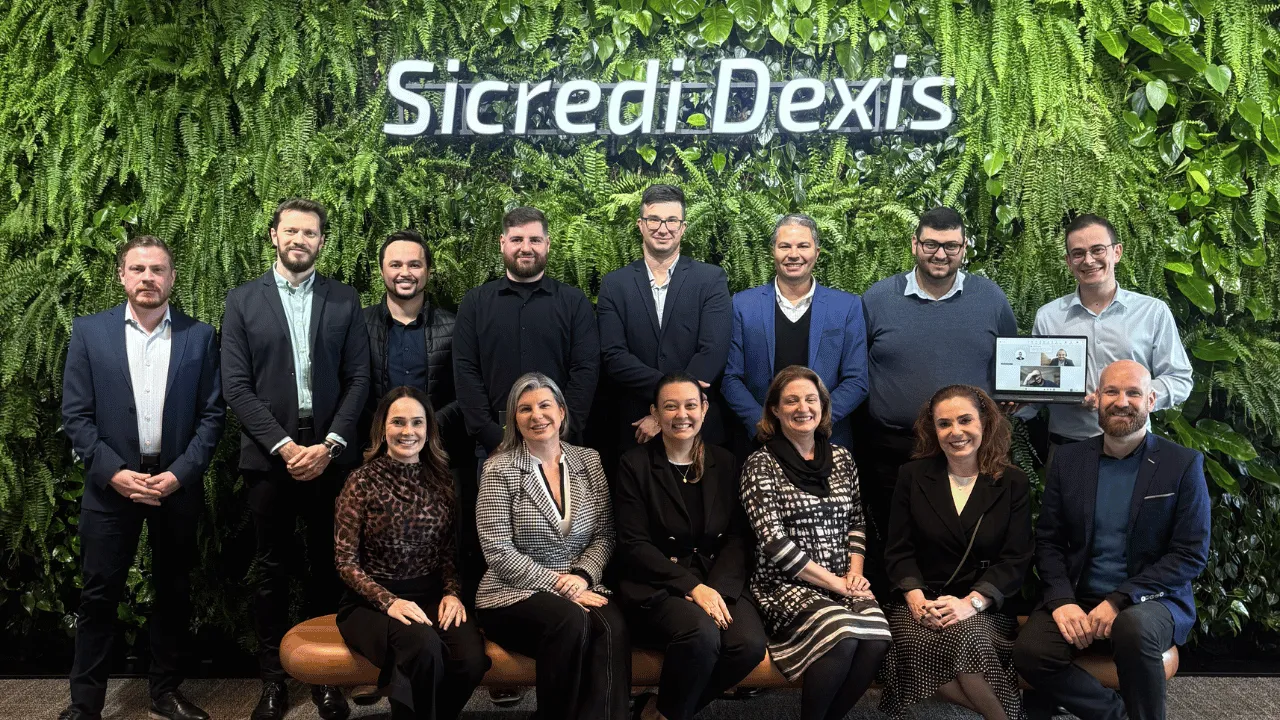
When Sicredi Dexis decided to build its own materiality assessment at the local level, it became the first cooperative in the Sicredi System to take that step. The move does not replace the network’s system-wide materiality, which remains the basis for analyses and strategic direction, but complements it with the particularities of the cooperative’s own reality. The choice started where few ESG initiatives start: with education.
A materiality matrix is the result of an analysis that identifies and prioritizes the ESG topics most relevant to an organization, cross-referencing what matters to the business with what matters to stakeholders. For cooperatives, this lens gains a second layer, that of double materiality: the assessment considers not only how the topics affect the institution, but also how the institution itself affects the communities and the region where it operates.
The starting point was challenging. The working group responsible for the materiality assessment brings together all of the cooperative’s managers, professionals from different areas with different levels of familiarity with the subject. There was a starting point, but the group lacked technical background and a common language to turn good intentions into method.
“We had been developing a good part of the work internally, but we felt the need to bring an outside perspective into the discussion, and ESGreen came in as a tailored solution that gave us an external view, challenge and direction,” says Vitor Bonilha, Strategy and Sustainability Manager at Sicredi Dexis.
This is where the program designed by ESGreen Education comes in. In the ESG Lab format, the solution combined four learning moments over about 90 days: two in person and two online, one synchronous and one asynchronous. The journey opened with an onboarding and self-awareness stage led by Ana Paula Candeloro, ESG Director, and Henrique Klein, Head of Education. It continued with a webinar that introduced the managers to the Brazilian Sustainable Taxonomy (TSB) and to the concept of materiality itself, with the participation of Mauricio Rodrigues, CEO of ESGreen. Then a dedicated TSB course connected the group to market practices and regulations.
The cycle closes in the second half of August with the ESG Lab. In this session, the managers see for the first time the matrix they themselves selected, and work through four narratives that lead them to look at the present, the future and unforeseen situations, understanding how each chosen topic relates to these scenarios. Mauricio leads a reflection on materiality as an ESG competitiveness strategy, and Dexis itself presents where its matrix came from and where it is heading.
One point is key to understanding the outcome: ESGreen did not build the Dexis materiality matrix. The managers built it themselves. The program’s role was different: to foster knowledge, technique and information so that the cooperative could produce its own matrix autonomously.
The outcome is concrete. The cooperative’s entire management layer went through the training, and a group that started from an early stage is now completing its own materiality matrix, better prepared to bring sustainability into strategic planning and governance.
“A very enriching experience for the work we are doing at the cooperative: defining our material topics. The knowledge Ana Paula brought and the process Henrique led with our managers were very important for this work.” Márcio Peruzzo, ESG specialist at Sicredi Dexis
The path Dexis took is the same one many cooperatives have ahead of them: turning the intention to do ESG into a real capacity to decide. And that starting point almost always begins with education.